The Taos Spiritual Lifestyle:
How Land, Light, and Solitude Shape the Soul
The Taos spiritual lifestyle unfolds like sunrise over the Sangre de Cristo Mountains—gradual, brilliant, impossible to ignore.
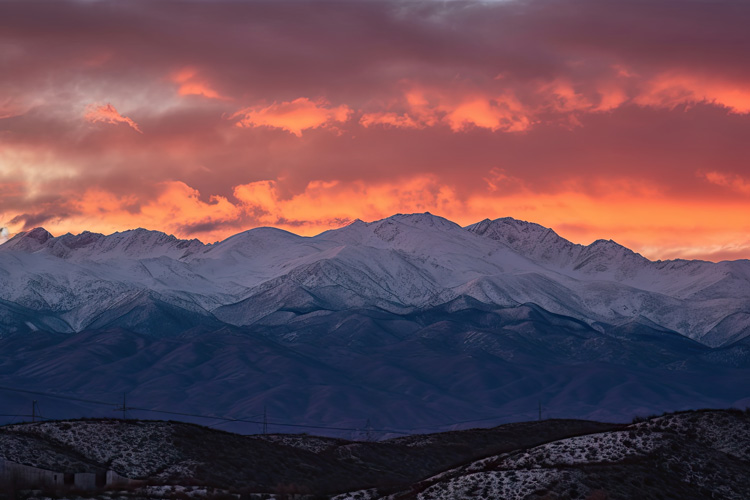
Cool high-desert air moves across open mesas while long shadows stretch toward the horizon.
There's a quiet here that feels almost audible, a stillness that wraps around your bones and recalibrates something deep inside.
This isn't spirituality handed down through scripture or structured ceremony alone. It's something wilder, older, written in the land itself.
Taos, New Mexico draws its spiritual pulse from ancient indigenous spirituality in Taos, the bold vision of artists who fled convention, New Age seekers in Taos searching for transformation, and a landscape so dramatic it forces you to look both outward and inward.
Whether you arrive for Taos spiritual retreats or stumble into town by accident, you quickly realize this place operates on different frequencies.
The rhythm slows. The light sharpens.
And the mountain either calls you to stay or releases you back into the world changed.
Key Takeaways Of The Taos Spiritual Lifestyle

- The Taos Pueblo sacred traditions anchor spiritual life here, with Blue Lake spiritual significance representing centuries of devotion woven directly into water, earth, and sky. The land isn't backdrop—it's teacher, healer, threshold.
- The Taos high desert landscape reshapes how your body moves through time. Seven thousand feet of elevation, bone-dry air, rugged peaks—all conspire to slow your pulse, sharpen perception, and turn everyday existence into embodied prayer.
- Decades of migration have built a Taos artistic spiritual community where meditation cushions sit near ceremonial kivas, where Taos yoga and wellness studios thrive alongside centuries-old ritual. Ancestral ceremony and contemporary exploration share the same horizon.
- Distance from cities, the rise of Taos Earthship off grid living, and endless desert sky cultivate slow living in Taos—sunrise rituals, twilight watching, star-soaked silence. Life here feels like built-in contemplative practice.
Sacred Land as Spiritual Foundation
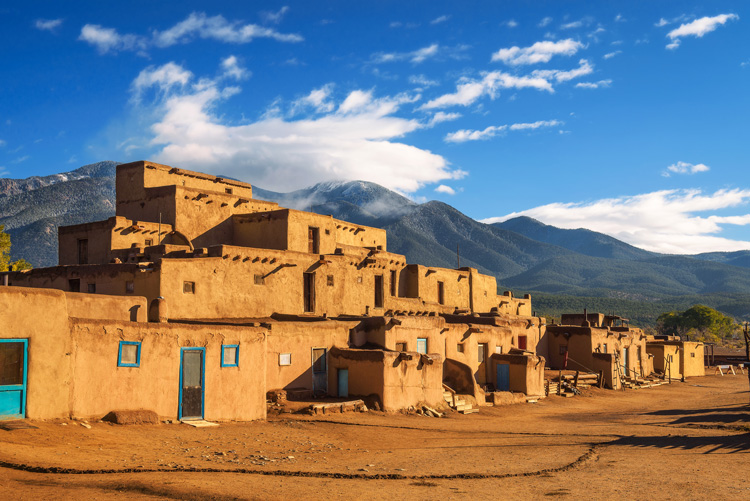
Taos Pueblo stands as one of the oldest continuously inhabited communities in North America.
These multi-story adobe structures have sheltered families for over a thousand years, rooted in relationship with surrounding peaks, rivers, and sacred sites.
Blue Lake, nestled high in the Sangre de Cristo Mountains, pulses at the heart of this connection.
Returned to the Pueblo people in 1970 after decades of legal struggle, the lake represents more than geography—it holds ceremony, identity, life itself.
This land-based reverence sets the foundation for Taos high desert spirituality.
Even newcomers and visitors absorb this understanding: the earth beneath your feet isn't neutral ground. It's alive, communicative, demanding respect.
Unlike abstract spiritual philosophies that float untethered from place, the Taos spiritual lifestyle insists you reckon with where you stand. Mountains watch. Water carries memory.
The land decides if you belong.
The High-Desert Body: Altitude, Elements, and Sensation
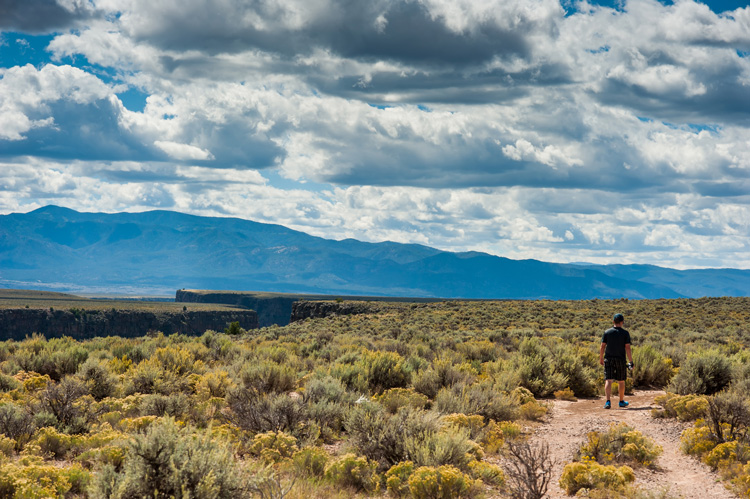
Step outside in Taos and your lungs immediately register the shift.
At seven thousand feet, oxygen thins. Breathing deepens. Your body works harder, moves slower, pays closer attention.
The Taos high desert landscape stretches vast and exposed—high peaks crashing down into deep canyons, open mesas running toward infinity under a sky so big it swallows perspective.
Light here behaves differently. Clarity becomes almost aggressive. Colors saturate. Shadows cut sharp.
Weather shifts without warning—brilliant sun to sudden storm, warmth to cold, calm to howling wind.
Many describe the atmosphere as otherworldly, a sensation reinforced by local lore about vortexes, ley lines, and the mysterious Taos hum—a low-frequency sound some residents claim to hear constantly.
Whether you attribute it to electromagnetic anomalies or simply the Sangre de Cristo Mountains energy pressing against human consciousness, most people feel something shift when they arrive.
The desert mindfulness practices that emerge here aren't imported techniques—they're responses to a landscape that strips away distraction and makes presence unavoidable.
Rhythm of Life in Taos: Slow Mornings, Long Shadows

A typical day in the Taos spiritual lifestyle begins with sunrise—not as metaphor but as practice.
Light spills gold across adobe walls. Coffee steeps slowly. There's no rush because there's nowhere urgent to be.
The Taos meditation lifestyle unfolds naturally when your environment removes the pressure to perform, produce, prove.
Midday heat slows movement further. Siesta culture makes sense when afternoon sun blazes against thin air. Work happens, but at human pace.
Creative projects unfold across weeks instead of days. Conversations meander.
By evening, shadows lengthen dramatically, turning familiar landscapes into something mythic.
Twilight lingers. Stars emerge in uncountable numbers.
This rhythm isn't laziness—it's nervous system regulation made architectural. Isolation naturally reduces noise, both literal and social.
Without constant stimulation demanding response, you start hearing quieter signals: intuition, creative whispers, body wisdom.
Healing happens not through heroic intervention but through the simple act of slowing down enough to let your system recalibrate.
Communities of Seekers: Artists, Retreats, and Interfaith Spaces

For over a century, Taos has magnetized artists, writers, and spiritual seekers arriving for reinvention.
The Taos Society of Artists established roots here in 1915, drawn by dramatic light and cultural crossroads. That pattern continues—creatives flee cities, seeking space to work without compromise.
Taos spiritual retreats now dot the valley, offering everything from silent meditation to sound healing, plant medicine ceremonies to Christian contemplation.
The density of spiritual exploration in such a small geographic area creates unusual overlap.
Traditional Indigenous ceremony happens miles from New Age crystal shops. Buddhist meditation groups meet near Catholic santeros crafting devotional art.
Taos yoga and wellness studios thrive alongside centuries-old ritual practice. This isn't always comfortable.
Tensions surface around cultural appropriation, spiritual tourism versus authentic seeking, commercialization of sacred traditions.
Yet something about the land itself seems to hold these contradictions.
Any comprehensive Taos spiritual travel guide must acknowledge both the genuine transformation that happens here and the commodification that trails spiritual seekers wherever they gather.
Taos doesn't resolve that tension—it makes you sit with it.
Earthships, Off-Grid Living, and Everyday Mindfulness
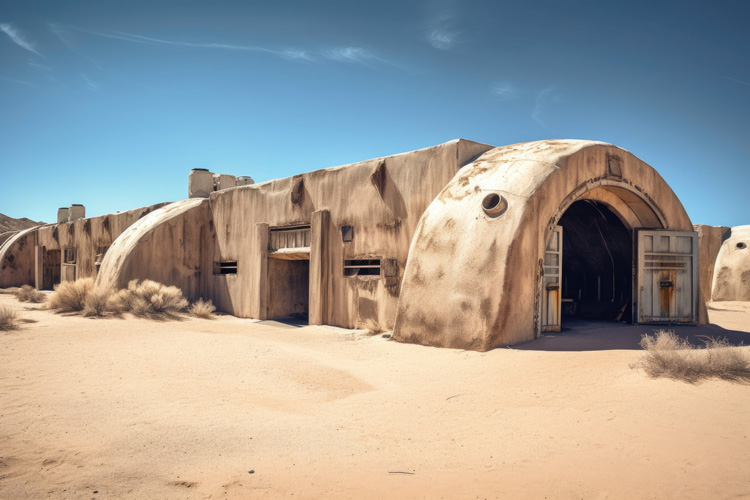
Drive fifteen minutes outside town and you encounter the Earthship community—radical off-grid homes built from recycled tires, cans, and bottles, designed to harvest rainwater, generate solar power, and grow food year-round.
Taos Earthship off grid living represents more than sustainable architecture. It embodies a spiritualized relationship with resources, where monitoring water levels and adjusting thermal mass becomes daily devotion.
This intentional approach extends beyond Earthships to strawbale homes, yurts, and renovated adobes where residents generate their own electricity, compost waste, tend gardens.
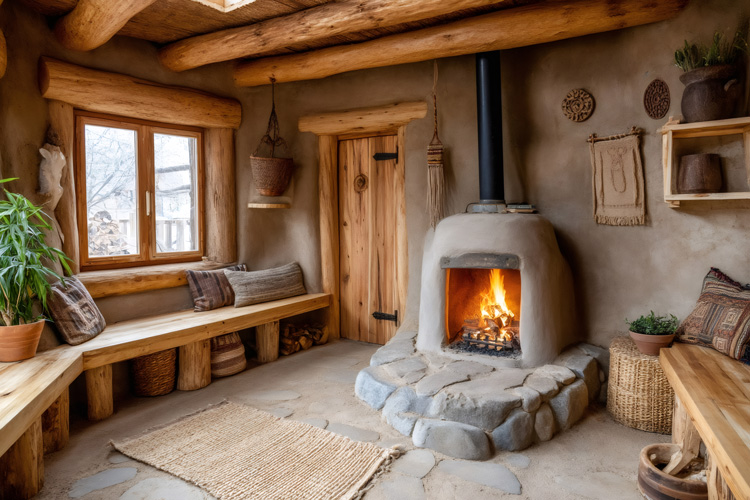
Every act—hauling water, banking woodstoves, watching weather—reinforces attention and gratitude.
You can't sleepwalk through resource dependence when you're directly responsible for keeping yourself warm, fed, powered.
The Taos spiritual lifestyle thrives in this context because it's not theoretical.
Spirituality becomes what you do with your hands, how you respond to scarcity, whether you can find beauty in limitation.
For eco-conscious seekers, Taos offers laboratory conditions for testing whether high ideals survive the practical demands of desert living.
When the Mountain Calls: Personal Transformation and Longing to Stay
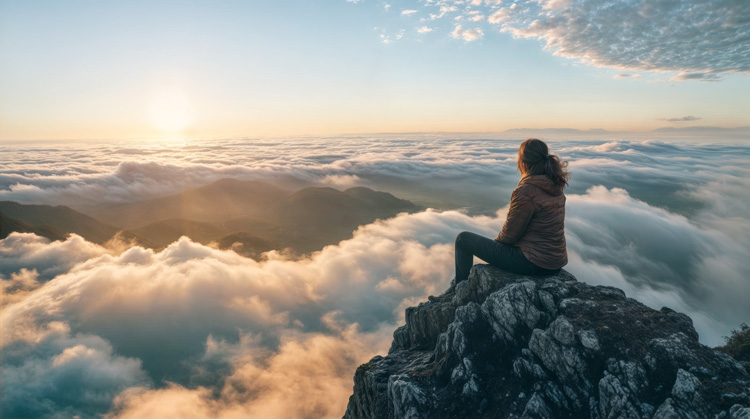
Locals often say "when the mountain wants you, you stay." This isn't romanticism—it's pattern recognition.
Person after person arrives for a weekend, a workshop, temporary escape, then finds themselves canceling return flights, breaking leases, rearranging entire lives around remaining.
Something in the Taos mindfulness and meditation culture, the Sangre de Cristo Mountains energy, the quality of silence, reaches past rational planning and rewires desire.
Stories accumulate of corporate lawyers becoming ceramicists, burned-out healthcare workers opening healing centers, artists rediscovering why they make work.
Taos desert spiritual healing doesn't follow medical models—it operates through exposure to beauty, solitude, and a landscape that reflects your interior state back with uncomfortable accuracy.
For those drawn to Taos New Mexico spiritual energy, the question becomes whether you're visiting the Taos spiritual lifestyle or entering it.
A weekend retreat plants seeds. Extended stays force confrontation with shadow, privilege, and what transformation actually requires.
Some people leave rattled. Others put down roots and never look back.
Conclusion: The Taos Spiritual Lifestyle
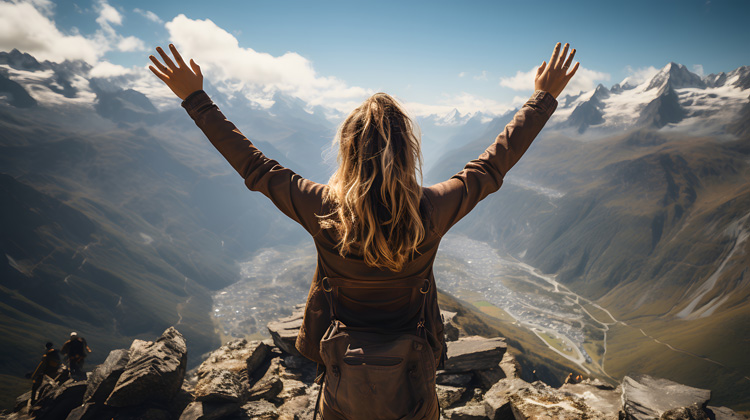
Whether you make pilgrimage to Taos spiritual retreats, craft your own Taos spiritual travel guide, or simply incorporate desert mindfulness practices and slow living in Taos wherever you are, this valley offers a template.
Let the land teach. Honor what's ancient. Move at the speed of sunrise.
Trust that when you quiet noise long enough, guidance arrives.
Sometimes it's whispered. Sometimes it's shouted by wind across mesas.
It's always unmistakably clear in the distinct frequency of the Taos spiritual lifestyle.
#taosspiritual #highdesertliving #sacredland #mindfulnesstravel #spiritualtourism #taospueblo #desertmysticism #offgridliving #slowliving #mountainmedicine #spiritualretreat #newmexicomagic
Filed Under:Taos Spiritual Lifestyle
More Books For Spiritual Growth
Recent Articles


-
Spiritual Connection In Grand Teton: A Guide for Content Creators
 Spiritual connection in Grand Teton is offered through sacred landscapes, meditation spots, and hikes that will elevate your travel content and storytelling.
As an Amazon Associate I earn from qualifying purchases.






All rights reserved. Copyright 2016-2026.
Oceanside 7 LLC is a participant in the Amazon Services LLC Associates Program, an affiliate advertising program
for sites to earn advertising fees and linking to Amazon.com