The Transformative Power Of Meditating Outdoors In The Morning
Discover how meditating outdoors in the morning boosts mood, lowers stress, supports sleep, and deepens your mind–body connection, backed by emerging science.

Meditating outdoors in the morning offers a quiet magic that transforms how we begin each day.
Picture this: the soft glow of early light filtering through trees, birdsong replacing alarm clocks, and cool air filling your lungs as you settle into stillness.
This practice is beautifully simple. Take your mindfulness or breathing exercises into a natural setting shortly after waking.
You'll gain the mental benefits of meditation alongside the physical perks of nature and sunlight.
It's one of the most potent ways to start your day with intention and clarity.
The benefits are profound and multifaceted.
Morning outdoor meditation enhances mental focus and reduces stress more effectively than indoor practice alone.
It supports your body's natural circadian rhythm. And it creates a deeper sense of connection to the world around you.
Even five to ten minutes outside can shift your entire day from reactive to responsive, from scattered to centered.
Key Takeaways

Why Morning And Why Outdoors Matter

Mornings offer unique advantages for meditation practice.
The world is quieter before traffic builds and notifications start flooding in. The air is cooler and fresher. Your mind hasn't yet been loaded with the day's demands, emails, or news cycles.
This clean mental slate makes it easier to drop into mindfulness.
Natural settings amplify these benefits. Trees, water, birdsong, and open sky engage your senses in ways that make mindfulness feel intuitive rather than forced.
Research shows that nature based mindfulness programs tend to produce stronger psychological and physiological outcomes than similar indoor sessions.
The sensory richness of outdoor environments—the texture of grass, the play of light, the sound of wind through leaves—naturally anchors your attention in the present moment.
This powerful combination of optimal timing and optimal environment explains why a sunrise meditation practice can feel so transformative.
You're working with your body's natural rhythms while surrounded by elements that effortlessly support presence and calm.
Enhanced Mental Clarity and Focus

Meditating in nature morning hours clears mental clutter before your mind gets crowded with competing demands.
This sets you up for sharper concentration throughout the day.
When you prioritize stillness before checking your phone or diving into tasks, you're essentially "priming" your brain for sustained attention.
Being outdoors reduces brain fog in ways that closed rooms cannot. Fewer artificial stimuli mean less sensory overload.
Meanwhile, the gentle complexity of natural environments—subtle sounds, shifting light, fresh air—anchors your awareness without overwhelming it.
Studies on nature based mindfulness interventions show improvements in attentional capacity, emotional regulation, and self-awareness.
Outdoor guided practices have been linked to reduced cognitive fatigue and less rumination.
Try this simple approach: Find a comfortable spot on your porch, balcony, or a park bench.
Spend five to ten minutes focusing on your breath or practicing open awareness.
Notice sounds, temperature changes, and how your body feels. This brief investment creates mental spaciousness that lasts for hours.
Significant Stress And Anxiety Reduction
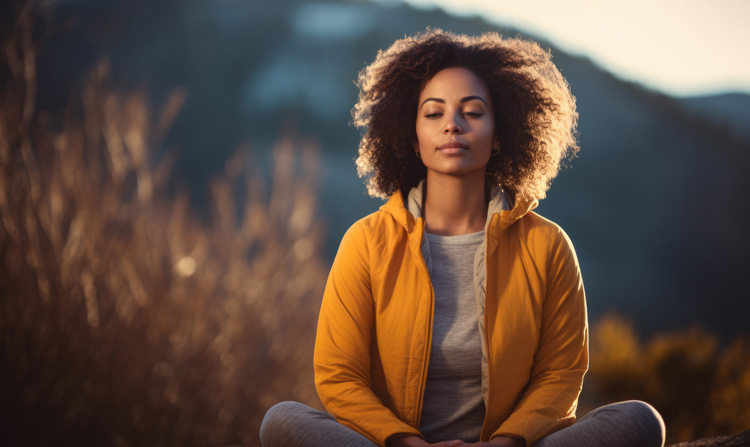
The combination of fresh air, greenery, and stillness calms your nervous system more deeply than typical indoor settings.
Morning meditation for stress relief becomes even more effective when paired with nature's inherent soothing qualities.
Both meditation and time in green spaces are associated with lowered stress markers and improved emotional resilience.
Research on stress reduction techniques outdoors shows that "outdoor in nature mindfulness" reduces stress hormones like cortisol while increasing positive emotions.
Studies consistently demonstrate that nature based mindfulness produces larger reductions in rumination and anxiety than indoor or control activities.
The green space mental health benefits are well-documented and significant.
Here's a micro-routine you can use:
- Practice slow outdoor breathing exercises while noticing environmental sounds.
- Follow this with a brief body scan to release physical tension.
This combination—natural ways to reduce cortisol paired with intentional presence—helps you face work and family responsibilities from a place of calm rather than reactivity.
Forest bathing and meditation share similar mechanisms.
Both activate the parasympathetic nervous system, signaling to your body that it's safe to rest and digest rather than fight or flee.
Improved Physical Health And Circadian Alignment

Morning outdoor meditation benefits extend well beyond mental wellness.
When early morning sunlight exposure reaches your eyes within the first thirty to sixty minutes of waking, it helps regulate your circadian rhythm and morning light relationship.
This leads to more consistent energy during the day and better sleep quality at night.
Research shows that morning sun exposure is linked with earlier sleep onset and more aligned internal clocks.
This alignment reduces social jetlag and addresses many common sleep issues.
The relationship between circadian rhythm and morning light is fundamental to mindfulness for better sleep outcomes.
Additionally, morning sunlight provides vitamin D, which supports immune system support with sunlight exposure and mood regulation.
The higher oxygen levels in early morning air can support lung function and energy.
When you combine these physical advantages with meditation's calming effects on your nervous system, you create a holistic reset for both body and mind.
Consider pairing mindful walking in nature with a few minutes of seated practice facing the morning sun.
This combination maximizes both movement and stillness benefits.
Deeper Mindfulness, Connection,
And Grounding
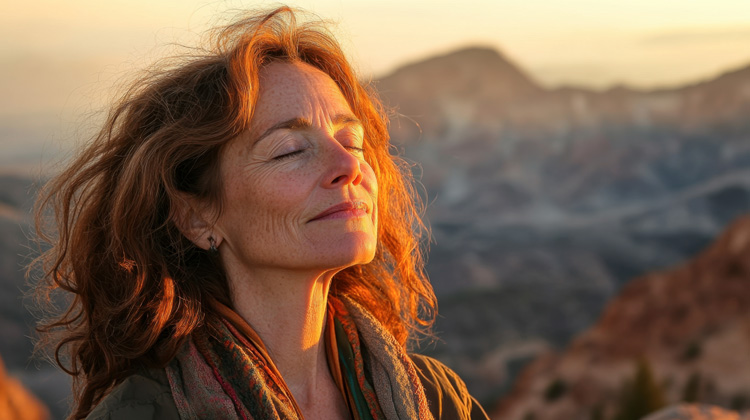
Outdoor meditation heightens sensory awareness in beautiful ways.
You feel the breeze on your skin, hear birds calling to each other, notice subtle temperature shifts and changing light.
These sensations naturally keep you anchored in the present moment. This is the essence of nature therapy and wellbeing practices.
Many people incorporate grounding and earthing practices by sitting or standing barefoot on grass or earth.
This physical connection to the ground can create feelings of rootedness and stability.
There's also an emotional and spiritual dimension: outdoor mindfulness routines often evoke awe, gratitude, and a sense of belonging that softens self-criticism and expands perspective.
Studies show that nature based mindfulness enhances self-regulation and emotional regulation while helping people disengage from negative thought loops.
These are crucial elements of mindfulness for anxiety and depression management.
Try a simple five-sense check-in:
What can you see, hear, feel, smell, and even taste in the air?
Follow this with a few minutes of silent breathing.
This practice deepens your sense of connection to the world beyond your thoughts.
What Science Says About Meditating Outdoors In The Morning

Multiple studies now examine nature based mindfulness, forest bathing research findings, and meditation in green spaces.
The evidence is compelling.
Mindfulness programs delivered in natural settings show moderately stronger effects on psychological, physiological, and social outcomes than those in non-natural environments.
Outdoor mindfulness classes have produced greater self-awareness, improved mood, and better emotional regulation than indoor versions.
Forest bathing research shows lower blood pressure and heart rate, reduced stress biomarkers, and enhanced mood—all benefits that align with contemplative outdoor practice.
While this field continues to grow, current evidence strongly supports pairing mindfulness with nature for enhanced benefits.
The synergy between these elements makes mood boosting morning habits particularly effective.
Getting Started Simply

Choose your spot first—a yard, balcony, park bench, beach, or garden.
Prioritize safety, comfort, and relative quiet. Set a realistic time commitment of five to ten minutes.
Tie this to a habit trigger like after your morning coffee or immediately upon waking to support daily meditation habit building.
For practice options, try breath-focused meditation, open awareness with sounds and sensations, or short walking meditation followed by seated stillness.
Make it sustainable with appropriate clothing and a cushion or chair.
Have a backup plan for bad weather, like an open window or covered porch.
Track your mood, focus, and sleep quality over two to four weeks. Notice what shifts.
Conclusion: Meditating Outdoors In The Morning

A morning outdoor meditation practice is a simple, low-cost habit that can transform how you experience each day.
The combination of mindfulness, natural surroundings, and morning light creates conditions for mental clarity, stress reduction, better physical health, and deeper connection.
Start small, stay curious, and pay attention to how this practice shifts your inner landscape.
Even brief moments of stillness in nature can ripple outward, bringing more presence and peace to everything that follows.
There's truly no better way to begin your day than meditating outdoors in the morning.
#morningmeditation, #outdoormeditation, #mindfulnesspractice, #naturetherapy, #forestbathing, #circadianhealth, #stressrelief, #mentalwellbeing, #gratitudepractice, #dailyritual

CLICK HERE to discover more about this book.
Filed Under: Meditating Outdoors In The Morning
More Books For Spiritual Growth
Recent Articles


-
Meditating Outdoors in the Morning: Benefits, Science, and Tips
 Discover how meditating outdoors in the morning boosts mood, lowers stress, supports sleep, and deepens your mind–body connection, backed by emerging science.
As an Amazon Associate I earn from qualifying purchases.







All rights reserved. Copyright 2016-2026.
Oceanside 7 LLC is a participant in the Amazon Services LLC Associates Program, an affiliate advertising program
for sites to earn advertising fees and linking to Amazon.com