Why Your Brain Feels Happier By The Ocean
Discover why your brain feels happier by the ocean, from calmer nervous system responses to boosted serotonin, creativity, and inner peace backed by science.

Picture yourself standing at the shoreline, toes sinking into warm sand, breathing in the salty air.
Your shoulders drop. Your mind quiets. You exhale deeply, perhaps for the first time in days.
This instant shift isn't just in your imagination—there's real science behind why your brain feels happier by the ocean and why the sea soothes your mind and lifts your spirit.
Key Takeaways

Why Your Brain Feels Happier By The Ocean

Blue Spaces And Your Mental Health
Scientists use the term "blue spaces" to describe coastal and aquatic environments.
Research consistently shows that living near or regularly visiting these spaces is associated with better mental health and overall well-being.
People who spend time by the sea often report less stress, improved mood, and greater life satisfaction.
The mental health benefits of the ocean extend beyond temporary relaxation—they can reshape how we experience daily life.
Studies reveal that coastal environments and well-being are deeply connected, with measurable improvements in both psychological and physical health markers.
The Soothing Rhythm Of Waves
The calming effects of ocean waves aren't just pleasant—they're therapeutic.
That repetitive sound activates your parasympathetic nervous system relaxation response, slowing your heart rate and easing tension throughout your body.
This gentle rhythm invites what scientists call a "rest-and-digest" state, the opposite of fight-or-flight stress.
The waves naturally guide your brain into meditative patterns that support calm, clarity, and emotional regulation.
This is why ocean sounds for sleep have become so popular—they mimic this natural frequency that helps our brains unwind.
The Color Blue And A Calmer Mind
There's something profound about gazing at endless blue.
Research shows the color blue is widely associated with feelings of peace, safety, and tranquility.
When you look at the ocean's vast horizon, your mental chatter softens. Your perspective expands.
The ocean view stress reduction happens almost automatically as your brain registers this open, non-threatening landscape.
Blue mind science suggests that viewing blue spaces shifts brain activity in ways that lower perceived stress and invite contemplation.
The Ocean's Quiet Chemistry: Air, Ions, and Serotonin

Negative Ions And "Happy" Brain Chemistry
Ocean air isn't just fresh—it's chemically different.
The sea produces abundant negative ions at the beach, microscopic particles that may help increase oxygen flow to your brain.
This enhanced oxygen delivery can support balanced serotonin levels, that crucial neurotransmitter linked to mood and well-being.
The connection between ocean air and serotonin helps explain why the ocean makes you happy on a biochemical level.
You might experience more mental energy, reduced anxiety, and a gentle mood lift—similar to the afterglow of meditation or yoga.
This seaside mood booster effect is one of the wellness benefits of the beach that keeps drawing people back to the shore.
Breathing Deeper And Letting Go
Notice how you naturally breathe more fully by the sea?
Those deep breaths send powerful signals of safety to your brain.
The sea breeze mental clarity you experience comes partly from this enhanced oxygen intake and partly from your nervous system recognizing that you're in a healing environment.
Imagine arriving at the beach after a busy week.
As you inhale the salty air, your breath deepens without effort. Your whole body exhales.
This simple act of breathing becomes ocean therapy for stress relief, accessible to anyone who visits the shore.
How The Ocean Supports Mindfulness And Presence

A Natural Gateway To Meditation
You don't need to be an experienced meditator to experience the beach meditation benefits.
Simply watching waves roll in and out places your brain into a mild meditative state naturally.
This happens even when you're not "trying" to meditate.
The psychological benefits of being by the sea include improved emotional regulation, greater self-awareness, and better coping skills over time.
These mindful moments by the shore accumulate, training your brain to access calm more easily in everyday life.
The benefits of beach yoga amplify these effects, combining movement with the ocean's natural meditative qualities.
The beach invites gentle sensory engagement.
You hear the waves. You smell the salt. You feel sand beneath your feet and sun on your skin. You see light dancing on water.
This full sensory experience of connecting with nature at the beach pulls you out of rumination and into the present moment.
Walking on the beach mindfulness happens almost automatically—your attention naturally anchors to physical sensations rather than anxious thoughts.
This is how the beach reduces anxiety without requiring effort or technique.
Emotional Healing, Resilience, And Connection By The Sea

A Safe Space For Emotions To Soften
The ocean offers a nonjudgmental space to feel whatever you're feeling.
For those navigating stress, burnout, or emotional pain, beach blue space therapy provides profound support.
Early research and countless personal stories suggest that coastal time helps people with conditions like PTSD feel calmer and more grounded.
The combination of negative ions, rhythmic sounds, and expansive views creates ideal conditions for water and emotional healing.
Beach rituals for emotional healing—like barefoot walks or journaling by the shore—give structure to this natural therapeutic process.
Even grounding and earthing at the beach, the simple act of touching sand and water, seems to help discharge stress and restore balance.
Feeling Small, Yet Profoundly Connected
Standing before something so vast and timeless puts everything in perspective.
Personal worries feel lighter. This sense of awe—that humbling, expansive feeling—is one of the spiritual benefits of the beach that transcends any single tradition.
You're reminded that you're part of something much larger than yourself.
This connection—to nature, to others walking the same shore, to the eternal rhythm of tides—boosts well-being and builds inner resilience.
The benefits of living near the coast include regular access to this perspective-shifting experience.
Bringing Ocean Calm Into Everyday Life

When You Cannot Get To The Seashore
You can bring ocean energy home.
- Listen to recorded wave sounds during work breaks or before sleep.
- Try sea-inspired visualization during meditation, imagining waves washing over your thoughts.
- Incorporate oceanic colors and textures into your space—blues, sandy neutrals, natural fibers.
- Create small "blue space" rituals: spend a few minutes each day in mindful breathing while imagining waves cleansing your mind.
These practices can't fully replace the real experience, but they can help maintain that calm between visits.
Simple Seaside Rituals To Nourish Your Brain
Next time you visit the ocean, try these gentle practices.
- Take barefoot walks along the water's edge.
- Journal on the shore, letting your thoughts flow onto paper while waves provide rhythm.
- Sit quietly to watch sunrise or sunset.
- Consider meditating outdoors in the morning when the beach is quiet and the light is soft.
Even short, intentional moments by the water leave lasting imprints on your brain and mood.
These are the benefits of the beach that researchers are still discovering—the cumulative effects of regular ocean time on mental health and overall well-being.
Conclusion: Why Your Brain Feels Happier
By The Ocean

The draw you feel toward the ocean is both intuitive and deeply biological.
Your brain truly recognizes blue spaces and mental health as inseparable—the coast as a place of healing and restoration.
Science is finally catching up to what you've always known in your body: nature and brain happiness are intimately connected, and the ocean offers a particularly potent form of this connection.
Treat trips to the water, real or imagined, as essential self-care.
Return to the shore regularly to reconnect with calm, clarity, and joy.
Trust that when you seek the sea, you're answering an ancient call that knows why our brains love the sea and understands that your brain feels happier by the ocean.
#oceancalm, #bluemind, #mentalhealthmatters, #beachtherapy, #natureheals, #mindfulnessjourney, #coastalliving, #stressrelief
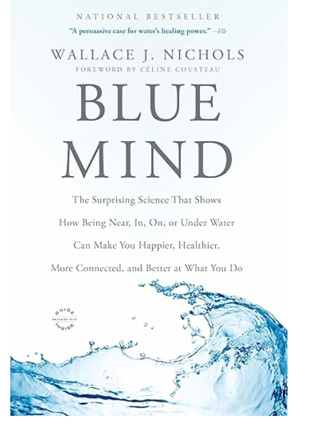
CLICK HERE to discover more about this book.
Filed Under: Why Your Brain Feels Happier By The Ocean
More Books For Spiritual Growth
Recent Articles


-
Why Your Brain Feels Happier By The Ocean
 Discover why your brain feels happier by the ocean, from calmer nervous system responses to boosted serotonin, creativity, and inner peace backed by science.
As an Amazon Associate I earn from qualifying purchases.







All rights reserved. Copyright 2016-2026.
Oceanside 7 LLC is a participant in the Amazon Services LLC Associates Program, an affiliate advertising program
for sites to earn advertising fees and linking to Amazon.com